ENERGY STAR®
ENERGY STAR® is a dynamic government/industry partnership that makes it easy for businesses and consumers to save money and protect the environment. It was introduced by the US Environmental Protection Agency in 1992 as a voluntary labeling program designed to identify and promote energy-efficient products, in order to reduce carbon dioxide emissions. EPA partnered with the US Department of Energy in 1996 to promote the ENERGY STAR label, with each agency taking responsibility for particular product categories. ENERGY STAR has expanded to cover new homes, most of the buildings sector, residential heating and cooling equipment, major appliances, office equipment, lighting, and consumer electronics.
ENERGY STAR Luminaire Specification v1.1:
Effective April 1, 2012, the Luminaires Version 1.1 requirements replaced the Residential Light Fixture V4.2 and Solid State Lighting Luminaires V1.3 specifications ("the old specifications"). Only light fixture models that have been third-party certified as meeting the Luminaires Version 1.1 may still feature ENERGY STAR certification. Click here for the complete program requirements.
The major changes are:- Efficacy: The efficacy standard minimum has been raised from 60 to 65 lumens per watt.
- Differentiation: ENERGY STAR no longer differentiates between indoor and outdoor fixtures.
- Photocell Requirements: Photocells are no longer required on ENERGY STAR fixtures.
- Product Testing: There are new requirements for independent Testing & Verification by a Certified Lab.
Brownlee Lighting is proud to announce that a majority of our products are still compliant with these new specifications. In fact, we have added ENERGY STAR options to over 50 Brownlee fixtures to expand our already extensive line of compliant models.
Click here to visit the ENERGY STAR category page in our online catalog
LED GENERATION 2 & ENERGY STAR:
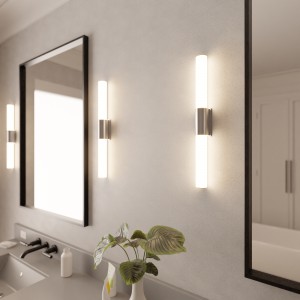
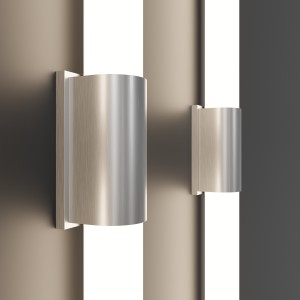
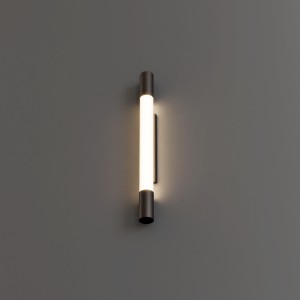
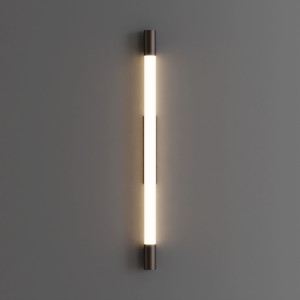
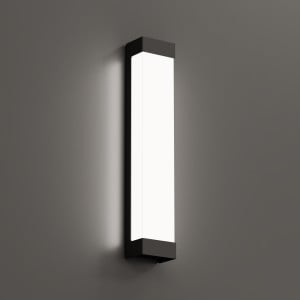
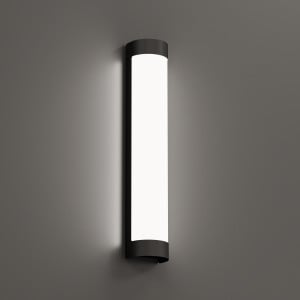
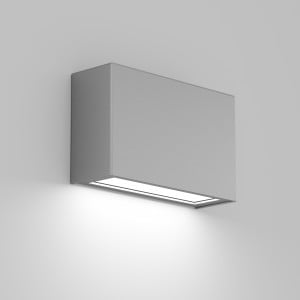
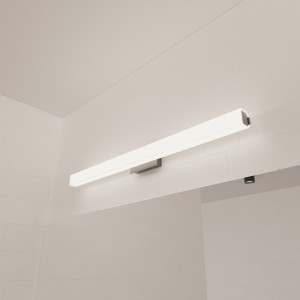
Brownlee Lighting is proud to introduce our LED Generation 2 system, featuring ENERGY STAR certification. Integrating the latest in LED technology with their extensive line of fashionable and functional luminaires, Brownlee’s proprietary design was developed with current lighting design demands in mind.
Each 6w LED circuit board is available in a standard 82 minimum CRI 3500K color temperature, with both 3000K and 4000K temperature options. The standard 3500K has an efficacy of 105 lumens per watt (6w), and 108 lumens per watt (12w, 24w and 36w), with an L70 rating of 54,000 hours. The system also features a universal 120-277Vconstant current driver, which is also available with a dimming option.
Click here to see all of our LED Generation 2 fixtures in our online catalog
You Can Make A Difference:
If all consumers, businesses, and organizations in the United States made their product choices and building improvement decisions with ENERGY STAR over the next decade, the national annual energy bill would be reduced by about $200 billion. With that would come a sizable contribution to reducing air pollution and protecting the earth’s climate for future generations.
Lighting fixtures that carry the ENERGY STAR label, meet federal energy-efficiency and quality guidelines, without sacrifice in performance. ENERGY STAR labeled fixtures help you play a role in pollution prevention while saving money on your energy bills. There are also many additional benefits:
- Lighting Quality: ENERGY STAR labeled fixtures have the same light output of standard fixtures while providing excellent color rendering and light temperature. Colors appear true and natural.
- Safety and Reliability: Any fixture bearing the ENERGY STAR label must meet EPA safety and reliability guidelines. These fixtures also carry warranties. In addition, ENERGY STAR labeled light fixtures operate at much lower temperatures than many traditional lamps, so the risk of starting a fire in your home or business is much lower.
- Attractive Design and Features: ENERGY STAR labeled models combine attractive design with the features you want.
ENERGY STAR® qualified products and practices help you save money and reduce greenhouse gas emissions by meeting strict energy efficiency guidelines set by the U.S. Environmental Protection Agency and the U.S. Department of Energy.